
Exploration
The Athabasca Basin region of northern Saskatchewan is one of the world’s richest sources of uranium. With ore grades up to 100 times higher than averages around the world, it is home to immense energy resources that can be used to power safe, reliable and carbon-free nuclear electricity. As the use of nuclear power continues growing, to meet increasing electricity demand and reduce carbon emissions, this region is critical to securely meeting the world’s needs.
Cameco’s exploration team employs industry best practices and environmental protection measures as it seeks to identify potential new uranium deposits or further measure grades and sizes of known deposits within the Athabasca Basin.
Winter Exploration and Ice Drilling
In northern Saskatchewan, winter ice drilling plays a key role in Cameco’s uranium exploration activities. It involves drilling through frozen lakes and lakebed sediment to collect core samples which are used to determine the presence of potential uranium deposits.
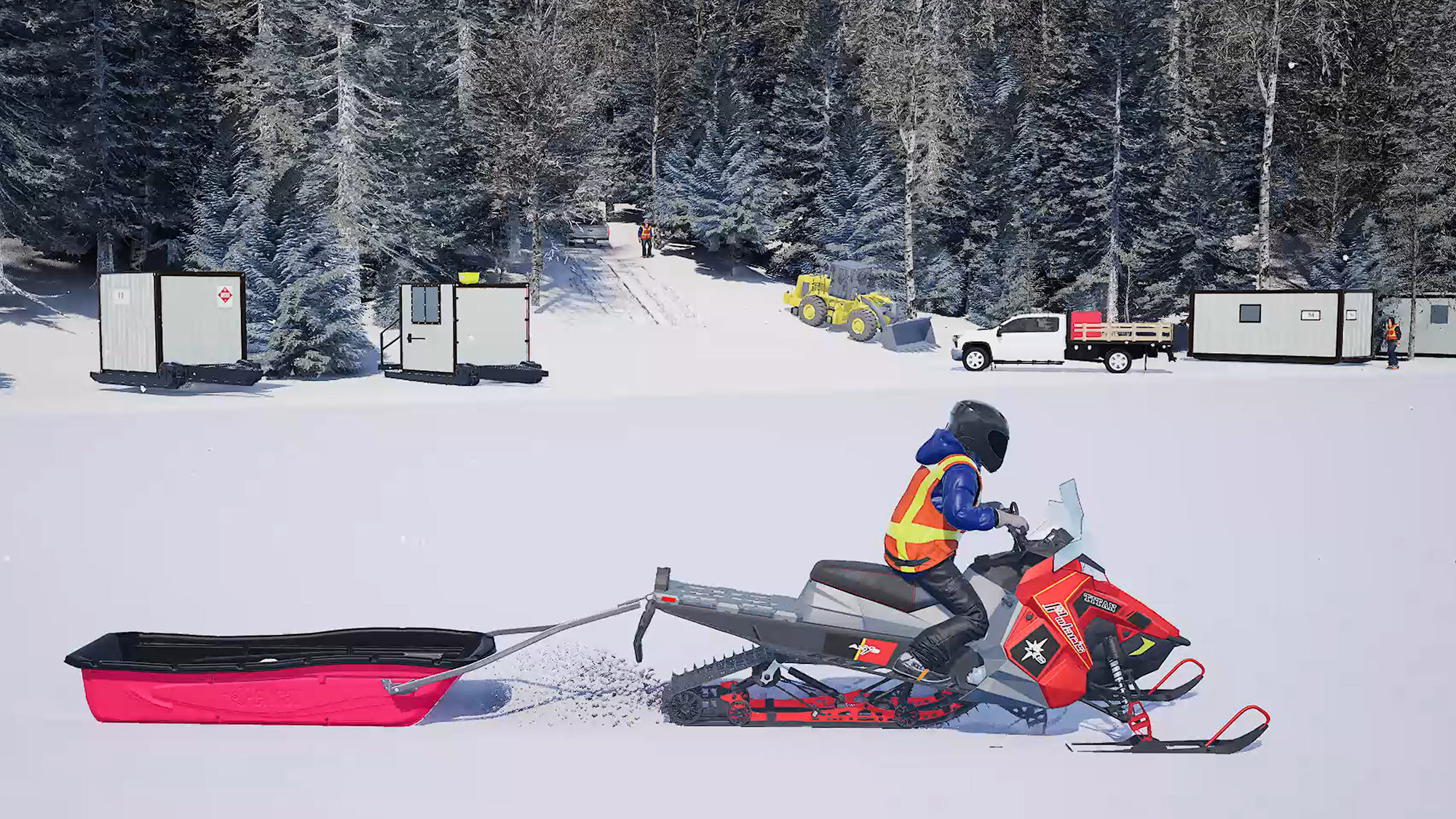
The following animation illustrates how ice drilling works and how Cameco’s exploration team employs protective measures to minimize environmental disturbances, leaving the area safe for people and wildlife once exploration is complete.
In addition, we’ve provided the following list of frequently asked questions to help increase understanding of Cameco’s ice drilling practices.
- What is Ice Drilling?
Q What is Ice Drilling? A Ice drilling is a method of exploring for potential uranium deposits in the winter by drilling through and beneath frozen water bodies from surface. Q Why is it done in the winter? A Access to remote, hard to access locations is only available during winter, when lakes and muskeg areas are frozen solid enough to support heavy equipment. Q How long does a typical ice drilling program last? A Depending how many drill holes are planned during the program, drilling activities may last between 6 to 12 weeks. Q What happens to the drill sites after the work is finished? A All lakebed boreholes are sealed with metal plugs and backfilled to the sediment layer with cement.
All drill rig structures, equipment, fuel sources and vehicles are removed from the frozen lake surface.
The site is inspected to ensure it is left in a safe, clean state.
- Permits and Regulations
Q What are the steps taken before exploration activities begin? A Through the permitting process, companies work directly with the Lands Branch within the Saskatchewan Ministry of Environment to discuss exploration activities, and the safe practices to be adhered to.
Before starting any work, an Aquatic Habitat Protection Permit is required from the Saskatchewan Ministry of Environment.
Cameco makes every attempt to contact, inform, compensate (where appropriate) and obtain agreement from local land users before work commences.
Q Who regulates and oversees these drilling activities? A Exploration activities are regulated by various regulatory bodies including but not limited to:
• Saskatchewan Ministry of Environment
• Water Security Agency of Saskatchewan
• Department of Fisheries and Oceans Canada
• Heritage Conservation BranchThrough the permitting process, companies work directly with the Lands Branch within the Saskatchewan Ministry of Environment to discuss exploration activities, and the safe practices to be adhered to.
Before starting any work, an Aquatic Habitat Protection Permit is required from the Saskatchewan Ministry of Environment.
- Safety
Q Is it safe to drill through frozen lakes? A Yes. Safety is a top priority at Cameco. No winter exploration work, including ice drilling, will be conducted until conditions are optimal to ensure the safety of our workers and protection of the environment. Q How thick does the ice need to be before drilling can start? A A minimum of 34 inches (86 cm) of good quality ice is required to safely support heavy drilling equipment. Ice thickness is carefully measured prior to transport of heavy drilling equipment onto the lake ice. Q How do you ensure the safety of workers and equipment on the ice? A Before contractors arrive on site, meetings are had with Cameco to discuss the exploration program details, including safety, environment, and radiation. For programs where there is ice drilling, particular attention is paid to this.
Before any equipment is moved to the lake ice, ground penetrating radar is initially used to test the thickness and quality of ice near the target drilling area. If the radar shows poor data or thin ice, it is manually tested by a team member drilling small test holes and physically measuring the ice thickness.
Drilling equipment is placed away from each other to distribute the weight across the ice. Additionally, rig mats are used beneath all drilling equipment and structures to help distribute weight across a wider surface of the ice.
Before heading to the drill rig, contractors begin each day with a meeting to discuss plans for the day including a safety topic. Once the crew arrives at the drill rig, a discussion is had with the previous shift that includes safety, environment and radiation.
Communication among Cameco and contractor field staff, and management occurs throughout the program as needed, and during dedicated weekly meetings. This communication is key in ensuring everybody is following all safety and environmental guidelines and regulations.
Q What happens if the ice starts to melt earlier than expected? A Exploration teams schedule ice drilling activities at the height of the winter season to minimize the possibilities of ice thaw interruptions. Should an unexpected thaw occur, ice thickness is closely monitored to ensure it remains no less than 34 inches (86 cm) thick. If thickness or ice quality shows conditions are not safe, drilling will be halted and equipment moved off the ice.
- Environmental protection
Q What measures are taken to protect fish and aquatic habitats? A Cameco’s exploration teams follow the Sask Mining Association’s Mineral Exploration Best Management Practices which include many protective measures to ensure fish and fish habitat are not impacted by drilling activities. Areas near the shoreline require special considerations when moving heavy equipment to a frozen lake surface. About 100 metres from shore, the path is hand-cut to protect shorelines.
When lake water is needed during drilling, fine mesh screens are used to ensure fish and other aquatic animals are not pulled into the water intake systems.
During the drilling process, only biodegradable, environmentally friendly drilling fluids are used. Water, drilling fluid and solids are separated and water is treated before being released back into the environment. Solids are stored in drums and disposed of in accordance with our permits.
Every hole drilled in the lakebed is sealed with metal plugs and cement backfill to protect the lake water from any potential mineral or radioactive leaching.
Q Will drilling contaminate the water or harm wildlife? A Drills are equipped with outside casings that completely enclose the cutting head and inside casing to physically separate the water body from the active drilling area. This outside casing shields the water body from any sediment disturbances, extracted rock filings, or drilling fluids that may escape the inside casing. Q How do you prevent fuel spills or leaks on the ice? A Fuel sources are carefully managed, and stored in secondary containment structures, in accordance with Cameco’s safety protocols and applicable regulations. Equipment is well maintained and each drill rig is equipped with an emergency spill kit that is available for clean-up of any potential fuel or oil leaks from drilling equipment or vehicles on the ice. If there is a release to the snow or ice, the spill kits are used to clean up any material and then it is properly disposed of. Q Are there risks to people who use the lakes for fishing or recreation? A No additional risks, attributed to ice drilling, have been identified. Q How do you monitor environmental impacts during and after drilling? A Cameco performs inspections when the drill rigs are on site, but before drilling begins also ensure there are no safety or environmental concerns present.
The drilling contractors perform pre-operation inspections at the start of every shift focusing on safety, environment and equipment condition.
Once drilling is complete and the drilling equipment is off the drill site, the drilling contractor and Cameco both perform inspections to ensure no material or equipment is present, and there are no environmental concerns.